Fast Delivery - Checkout for Costs

Please Call 1st for Collections

Order Easily Online – 200+ Products

Bulk Discounts – Trade Prices

COLLECTIONS – Call to check availability

Open 8:00 – 17:00 • Mon-Fri (Excluding bank holidays)

Go to Checkout to Get Your Delivery Cost

Scaffold Netting

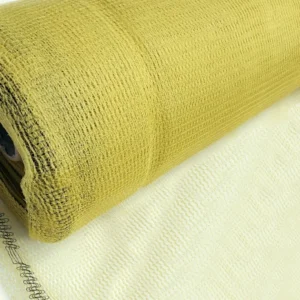
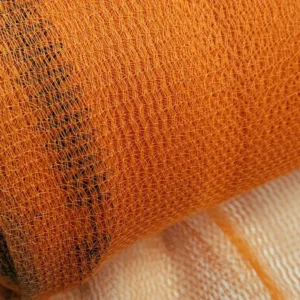
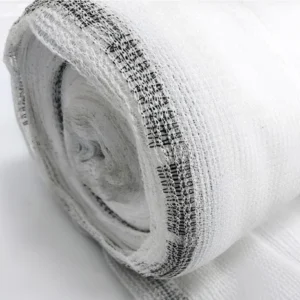
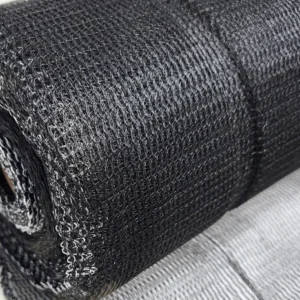
Keep your site safe with our high-quality scaffold debris netting, made from tough UV-resistant HDPE to contain falling debris, dust and small tools while allowing excellent airflow. Choose from our standard coloured netting: black (professional and discreet look), green (popular choice that blends well with surroundings), blue (clean and widely used general-purpose option), white (bright and clean appearance), red (high-visibility for hazard awareness), orange (strong visibility for safety demarcation) and yellow (highly visible warning colour) or our fire retardant scaffold netting version for added safety compliance. Secure everything quickly with our heavy-duty cable ties.

Showing all 11 results


Key Benefits:

  • Wind-permeable to reduce scaffold loading in gusty conditions.
  • UV-resistant for long-lasting performance in the UK weather.
  • Lightweight and easy to install with cable ties or clips.
  • Effective debris/dust containment with good ventilation.
  • Versatile for sites, privacy screens, or plant protection.

FAQ's

Scaffolding debris netting is a woven polyethylene mesh fabric that is installed around scaffold structures and is a crucial safety component during construction work. It contains debris and dust whilst preventing materials and tools from falling from scaffolds, protecting pedestrians and other workers below.

Beyond construction use, our scaffold netting has many other applications. Gardeners and allotment holders utilise it to shield plants and vegetables from insects. It also serves as a barrier or partition on demolition sites, at sporting events, and in agricultural settings or around the perimeter of a property.

Our extensive selection of durable plastic scaffold netting is available in 2m or 3m widths and 50m length rolls.

No, within the construction industry, safety netting or fall protection netting serves as a critical safeguard for workers against falls from elevated work areas. In contrast, scaffold netting serves to contain debris, materials and tools.

Proper debris netting installation is crucial for site safety and can be accomplished quickly. It is recommended to adhere to these guidelines:

Begin by securely attaching the netting to the scaffold tubes using durable plastic ties. Verify that all ties are tightly secured to withstand potential wind loads.

Extend the netting around the entire perimeter of the scaffold, ensuring consistent and secure attachment with further ties at appropriate intervals.

Remove any excess netting to maintain a neat and safe working environment.

This netting is constructed from high-density polyethylene (HDPE) mesh and fortified with ultraviolet inhibitors, ensuring extended durability.

The use of scaffold netting delivers a variety of benefits, with a strong focus on safety and efficient site management:

Debris containment: This netting effectively stops debris, tools, and construction materials from falling from the scaffold, ensuring the safety of those working on and passing beneath it.

Dust and wind reduction: By acting as a barrier, scaffold netting effectively reduces the spread of dust and airborne particles, contributing to improved air quality both on and surrounding the construction site. Furthermore, it offers a degree of wind protection, resulting in more comfortable working conditions.

Improved site safety: The containment of debris by scaffold netting significantly reduces the potential for injuries caused by falling objects. Additionally, it functions as a visual barrier which discourages unauthorised entry onto the scaffold structure.

Enhanced public safety: Protects the public from falling debris, reducing accident and liability risks.

Weather protection: Offers a degree of rain and sun protection, leading to improved working conditions.

Visual screening: The netting creates a visual barrier, obscuring ongoing construction work and improving the overall appearance of the site.

The standard rolls of debris netting we supply are not fire or flame-retardant. However, we do sell fire-retardant rolls which combine a high-density polyethylene flame-retardant fabric with an open weave construction.

This netting is typically secured to a scaffold using the following:

Cable ties: Also known as zip ties, they are a popular choice due to their ease of use and cost-effectiveness. Installation involves threading the tie through the netting’s mesh or eyelets and then fastening it tightly around the scaffold’s structural framework.

To ensure safe and effective netting installation, it is crucial to select fasteners capable of withstanding strong wind and environmental conditions. Always ensure the netting is installed tightly to prevent gaps and ensure proper debris containment.

Thanks to its UV-stabilised polyethylene composition, debris netting can offer extended use, lasting for multiple seasons or potentially years. This durability is maximised through proper care and consistent inspections and is also affected by the material’s grade, the demands of its application, and the environmental exposure.

UK regulations for debris netting specify adherence to British Standards BS EN 1263-1 (safety and testing) and BS EN 1263-2 (positioning) to ensure safety and proper setup.

Scaffold netting is engineered to protect people and traffic from falling debris and so is a strong, robust, heavy-duty plastic material commonly used on scaffolding for this purpose.

Yes, its versatility makes it widely used as a general garden netting and in agricultural settings like allotments and farms to protect plants, crops, and vegetation.

Latest customer purchases