
Scaffold Towers
Aluminium scaffold towers, also known as access towers or mobile towers, provide a safe and stable platform for working at height on building, maintenance and DIY projects. Lightweight, mobile and easy to assemble, they are suitable for a wide range of indoor and outdoor jobs.
Our range includes mobile scaffold towers for trade and DIY use, with different platform sizes and heights to suit the job and available working space. Choose from platform heights ranging from 1.2m to 12.2m, with single and double-width options available across the range. At Scaffolding Supplies for Sale, we offer quality scaffold towers from trusted brands at competitive prices, backed by expert support, fast UK delivery and 100% positive Google reviews.
Showing all 7 results
-

GRP Fibreglass Access Tower – Non-Conductive
Price range: £3,200.00 through £5,550.00 ex. VAT -

AGR Mobile Access Tower
Price range: £1,235.00 through £4,115.00 ex. VAT -
Industrial Ladderspan Aluminium Scaffold Tower
Price range: £695.00 through £4,120.00 ex. VAT -
One-Man Scaffold Tower
Price range: £750.00 through £1,700.00 ex. VAT -
Narrow Scaffold Tower – 500mm Platform Width
Price range: £1,480.00 through £3,150.00 ex. VAT -
Folding Portable Scaffold Towers
Price range: £620.00 through £1,800.00 ex. VAT -
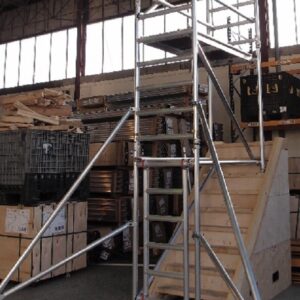
Stairwell Scaffold Tower
Price range: £930.00 through £2,145.00 ex. VAT

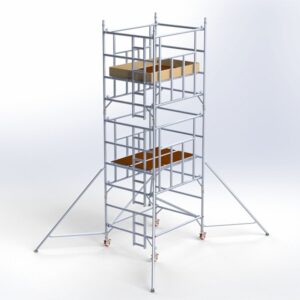
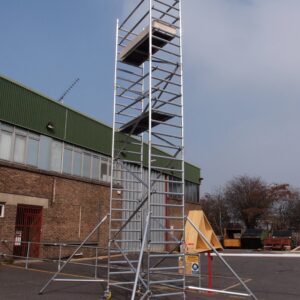
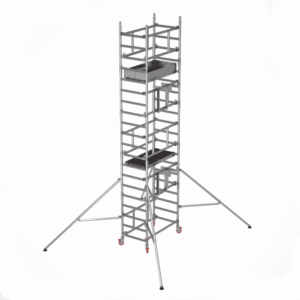

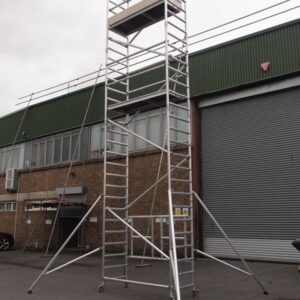
Scaffold Towers for Trade and DIY Use
Choosing the right scaffold tower depends on the work you are carrying out, the space available and the height you need to reach. Our range includes mobile access towers for professional tradespeople as well as towers suitable for maintenance and DIY projects around the home.
Aluminium scaffold towers provide a lightweight and practical option for jobs such as decorating, building work, property maintenance and repairs. Different tower designs are available for more specific requirements, including compact folding towers where space and storage are limited, stairwell towers for working above stairs, and GRP fibreglass towers for environments where a non-conductive access solution is required.
You can also choose between different platform sizes and heights, making it easier to select a tower that provides the working space and access needed for the job.
Which Scaffold Tower Is Right for Your Project?
Different jobs call for different types of scaffold tower. Consider where the tower will be used, the space available, the required platform height and the type of work being carried out before choosing your tower.
Aluminium Scaffold Towers
Aluminium scaffold towers are a versatile choice for building, decorating, maintenance and repair work. Their lightweight construction makes them easier to move and assemble while providing a stable working platform at height. They are available in different platform heights and widths to suit everything from smaller indoor jobs to larger projects requiring greater working height.
Folding Scaffold Towers
Folding scaffold towers are particularly useful for lower-level work where portability and compact storage are important. Their folding design makes them convenient to transport between jobs and easier to store when not in use, making them well suited to decorating, maintenance and other short-duration tasks.
GRP Fibreglass Scaffold Towers
GRP fibreglass scaffold towers are designed for work where electrical conductivity may be a concern. Unlike aluminium, fibreglass is non-conductive, making these towers suitable for electrical work and other environments that require a non-conductive access tower.
Stairwell Scaffold Towers
Stairwell scaffold towers provide a working platform for jobs carried out above stairs and within stairwells, where a conventional tower cannot be positioned correctly. They are useful for decorating, maintenance and repair work where safe access is required over different floor levels.
Compare Our Scaffold Tower Types
| Tower type | Best suited to | Main benefit |
|---|---|---|
| Aluminium scaffold towers | Building, decorating, maintenance and general trade work | Lightweight and versatile |
| Folding scaffold towers | Lower-level work, maintenance and decorating | Compact and easy to store |
| GRP fibreglass scaffold towers | Electrical work and environments where conductivity is a concern | Non-conductive construction |
| Stairwell scaffold towers | Decorating, maintenance and repairs above stairs | Designed for access over stairways |
The right tower will also depend on the available working space and the platform size you require. For general-purpose aluminium towers, one of the main decisions is whether a single or double-width tower is better suited to the job. Our guide to single width vs double width scaffold towers explains the differences and when you might choose each option.
Choosing the Right Scaffold Tower Size
Once you have chosen the type of scaffold tower you need, the next consideration is its width and height. The right combination will depend on the space available, the working area you need on the platform and how high you need to reach.
Single Width or Double Width Scaffold Tower?
Single-width scaffold towers have a narrower footprint, making them useful where available floor space is limited. Double-width towers provide a larger platform area, giving you more room to work and accommodate tools and materials.
When choosing between the two, consider both the space available at ground level and how much working room you will need once on the platform.
Platform Height vs Working Height
When comparing scaffold tower sizes, its important to distinguish between platform height and working height. Platform height is the height of the platform you stand on, whereas working height allows for the additional reach of the person using the tower.
Check which measurement is being quoted when choosing a tower so you can accurately determine whether it will provide sufficient access for the work you intend to carry out.