
Rubbish Chutes
Rubbish chute systems, also known as rubble, debris, construction, and scaffold chutes, are essential for maintaining a clean and safe construction site and multi-storey buildings, as they enable users to safely and efficiently remove waste, debris, and rubble into a skip below. Our rubbish chute system comprises chute sections, a top hopper, side-entry sections, and a fixing frame. When installed, they provide a practical solution for quickly and safely disposing of waste materials, helping ensure a more organised and efficient work environment. Explore our range below and get a quotation for a complete rubbish chute kit.
Showing all 5 results
-

New Rubbish Chute System – Hoppers, Sections and Frame
Price range: £48.00 through £95.00 ex. VAT -
Rubbish Chute 1.1m Section
£48.00 ex. VAT -
Rubbish Chute Hopper
£55.00 ex. VAT -

Rubbish Chute Side Entry Hopper
£65.00 ex. VAT -
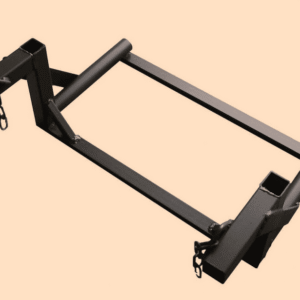
Rubbish Chute Fixing Frame
£95.00 ex. VAT


What is a rubbish chute?
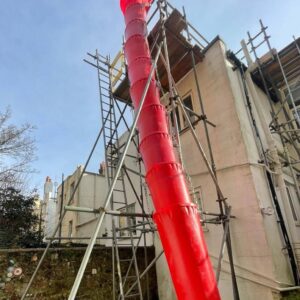
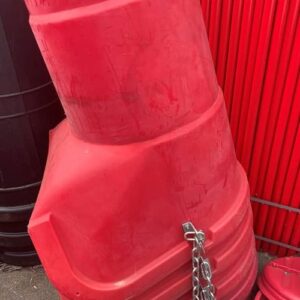
A rubble chute consists of several round, dustbin-like sections linked by chains and hung from the side of a building or scaffold, enabling the safe and efficient transfer of debris/materials from multiple building or scaffold levels to a skip below.
What are the advantages of using a rubbish chute on a construction or demolition site?
Rubbish chutes provide numerous significant benefits for construction and demolition projects:
Increased efficiency: The chutes significantly accelerate waste removal, minimising the time and effort needed to move debris from upper floors to ground level.
Enhanced safety: A rubbish chute mitigates the hazards of manually carrying heavy debris in challenging areas, such as stairs and narrow passages, by providing a controlled, contained pathway for waste, thereby minimising the risk of debris falling.
Cost-effectiveness: This system offers significant cost savings through reduced labour and increased efficiency, while waste containment minimises potential damage to surrounding areas.
Improved site organisation: A rubbish chute promotes a cleaner, more organised work site by reducing clutter and hazards and centralising waste disposal in a designated area.
Reduced dust and noise: Compared to other disposal methods, the chutes minimise the spread of dust, debris and noise during rubble removal.
Environmental benefits: Rubbish chutes enable efficient waste removal, resulting in faster site cleanup and reduced environmental impact. Furthermore, simplified disposal encourages better waste segregation and recycling.
Can I adjust the length of a rubbish chute for my project?
Yes, you can. Our fixing frames and chute sections with linking chains allow you to quickly assemble the chutes to the precise length your project requires, ensuring adaptability to any site’s specific needs.
What are the typical components of a rubbish chute system?
A typical chute system consists of several key components that work together to transport waste efficiently:
- Top hopper.
- Chute sections.
- Support bracket.
- Side entry section.
How are rubbish chutes designed to prevent blockages?
These debris systems are proactively designed to minimise the likelihood of blockages as they feature:
Adequate diameter: The chute’s diameter is sized to prevent waste from getting stuck.
Straight or gradual curves: The chutes should be installed straight or with a very slight curve to prevent waste from getting caught around sharp bends.
Proper ventilation: Ventilation prevents waste compaction and helps move lighter waste down the chute.
Top hopper design: The top hopper features smooth edges and an angled design that guides waste smoothly into the chute, preventing snags and debris from falling.
What are the key considerations when installing a rubbish chute system?
To ensure a safe, efficient, and compliant chute system, careful planning is essential:
Secure anchoring: Because they are frequently installed vertically on the exterior, rubble chutes require strong anchoring to withstand wind and prevent collapse. A comprehensive structural assessment is essential to ensure the building or scaffold can support the chute’s weight and dynamic forces.
Heavy-duty materials: The substantial weight and abrasive nature of construction debris, including concrete, bricks, and metal, require chutes to be constructed from robust materials such as reinforced polymers. This material resists both abrasion and high-impact forces.
System design: To guarantee structural stability and avoid overloading, the chute system design must accurately calculate and accommodate the expected weight and volume of construction debris.
Worker and public safety: Safety measures are paramount: secure loading and discharge areas must be established, all workers must receive comprehensive training on safe chute operation, and the area beneath the chute must be effectively cordoned off to protect the public.
Addressing these factors will ensure a safe and efficient chute system for effective debris management.
What are the maintenance requirements for a rubbish chute system?
For safe, efficient, and long-lasting operation, consistent maintenance is paramount:
Routine inspections: Conduct frequent visual checks to identify damage, loose connections, and obstructions and pay particular attention to chute sections, joints, anchors, and discharge areas
Cleaning for efficiency: To avoid blockages and maintain optimal performance, regular cleaning is vital. You should clean the chutes after each use or at the close of each workday to prevent debris buildup.
Component maintenance:
Anchoring: Regularly check and tighten bolts; inspect for corrosion and replace damaged parts.
Chute sections: Inspect for damage (dents, cracks); promptly replace damaged sections.
Intake and discharge: Ensure the smooth operation of doors/hoppers; lubricate moving parts.
Safety protocols:
Barriers: Confirm proper placement and condition of safety barriers and warning signs.
Training: Verify all workers are trained in safe chute operation.
Emergency: Establish and communicate emergency procedures.
What are the common problems associated with rubbish chute systems?
Construction and demolition debris chutes present unique challenges compared to standard rubbish chutes. The most common problems and solutions are outlined below:
Blockages:
Problem: Large or irregularly shaped debris (e.g., concrete, metal, lumber) can cause jams.
Solutions: Pre-sort debris to remove problematic items, and, where possible, use wider-diameter chutes.
Impact damage:
Problem: Heavy or sharp debris damages the chute sections.
Solution: Ensure the rubbish chute system is made of heavy-duty, impact-resistant materials.
Controlling dust and debris dispersion:
Problem: Debris disposal produces significant dust that can escape.
Solutions: Mitigate dust with water spray or enclosures; contain debris with covered skips.
Safety hazards:
Problem: Falling debris, unstable chutes, and dust pose safety risks.
Solutions: Adhere to site safety protocols and regulations.