Why choose the ballast block lifter?
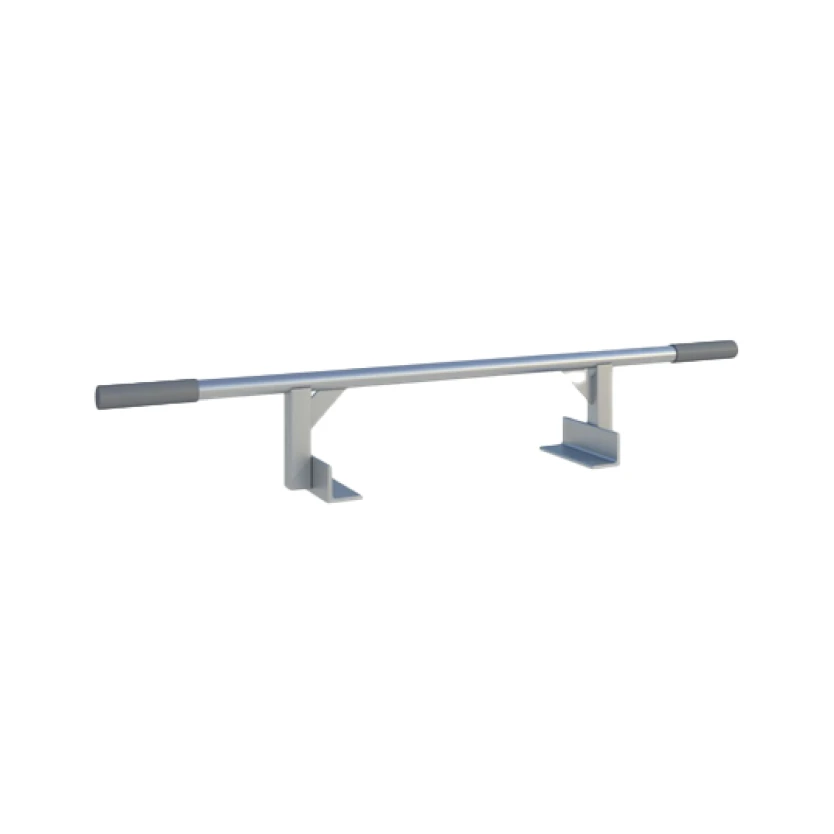
Weighing just 3.2kg, the ballast block lifter is lightweight yet robust, with dimensions of 1,036mm in length, 150mm in width, and 166mm in height to ensure comfortable reach and control; its ergonomic rubberised grips help to minimise hand and back strain during repetitive lifting, while the heavy-duty steel construction guarantees durability on even the most demanding sites. Its design supports instant compliance with manual handling regulations by reducing injury risk.
What are the typical applications?
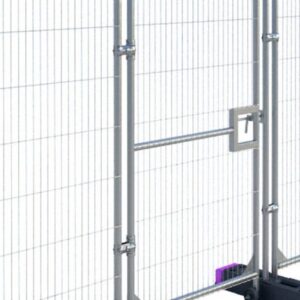
Tasks include installing and removing temporary fencing and pedestrian barriers, loading and unloading ballast blocks from vehicles or storage locations, routinely repositioning crowd control systems and site hoarding structures, and managing projects that require regular handling of 50kg concrete or plastic ballast weights.
What weight of ballast block does this lifter support?
This product is made to safely and conveniently lift 50kg ballast blocks, which are most often used with pedestrian barriers, temporary fencing, and hoarding systems.
Does using this require any specific training?
No. The process is straightforward: first, position the jaws beneath the block, grip the handles firmly, and lift by applying force through your legs. Most operators become proficient with this method in less than 30 seconds.
Does it harm the plastic or concrete of the ballast blocks?
No. Smooth contact surfaces and even pressure distribution prevent cracks or chips in both the concrete and plastic of the blocks.
How many lifts can it handle per day?
This tool is designed for heavy daily use; many sites handle 200-400+ lifts per day without problems.
Is it capable of lifting blocks above waist height, such as when stacking them?
It is intended for ground-to-waist and waist-to-ground moves. For stacking above chest height, use mechanical aids or team lift.

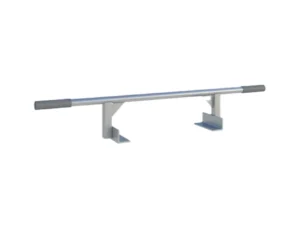
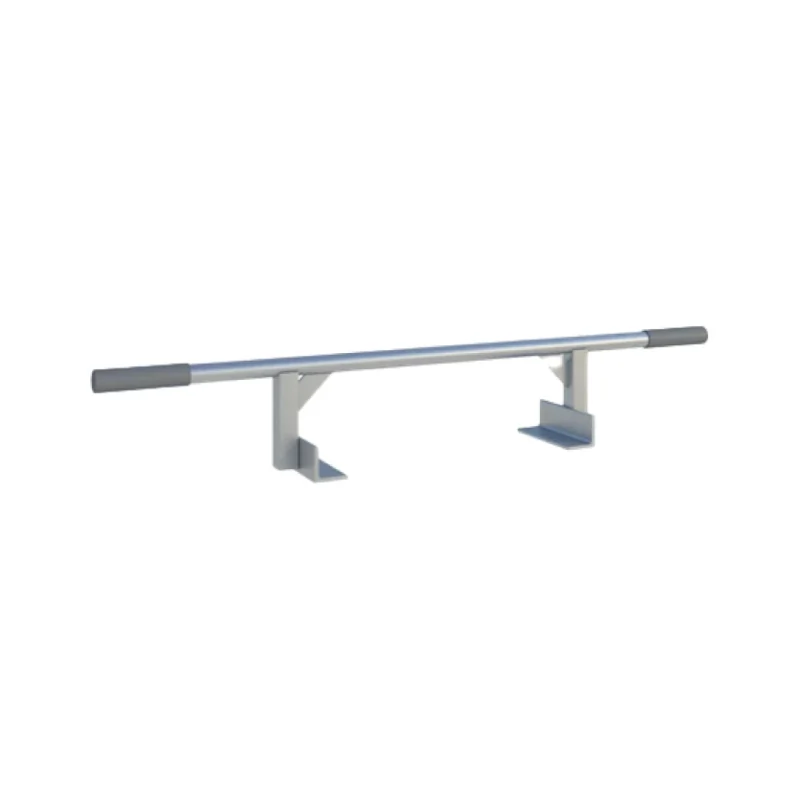


 Ballast Block Lifter


Reviews
There are no reviews yet