


New scaffolding boards – BS 2482:2009 compliant – 8ft, 10ft & 13ft
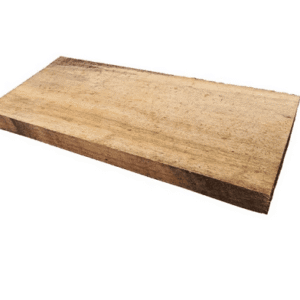
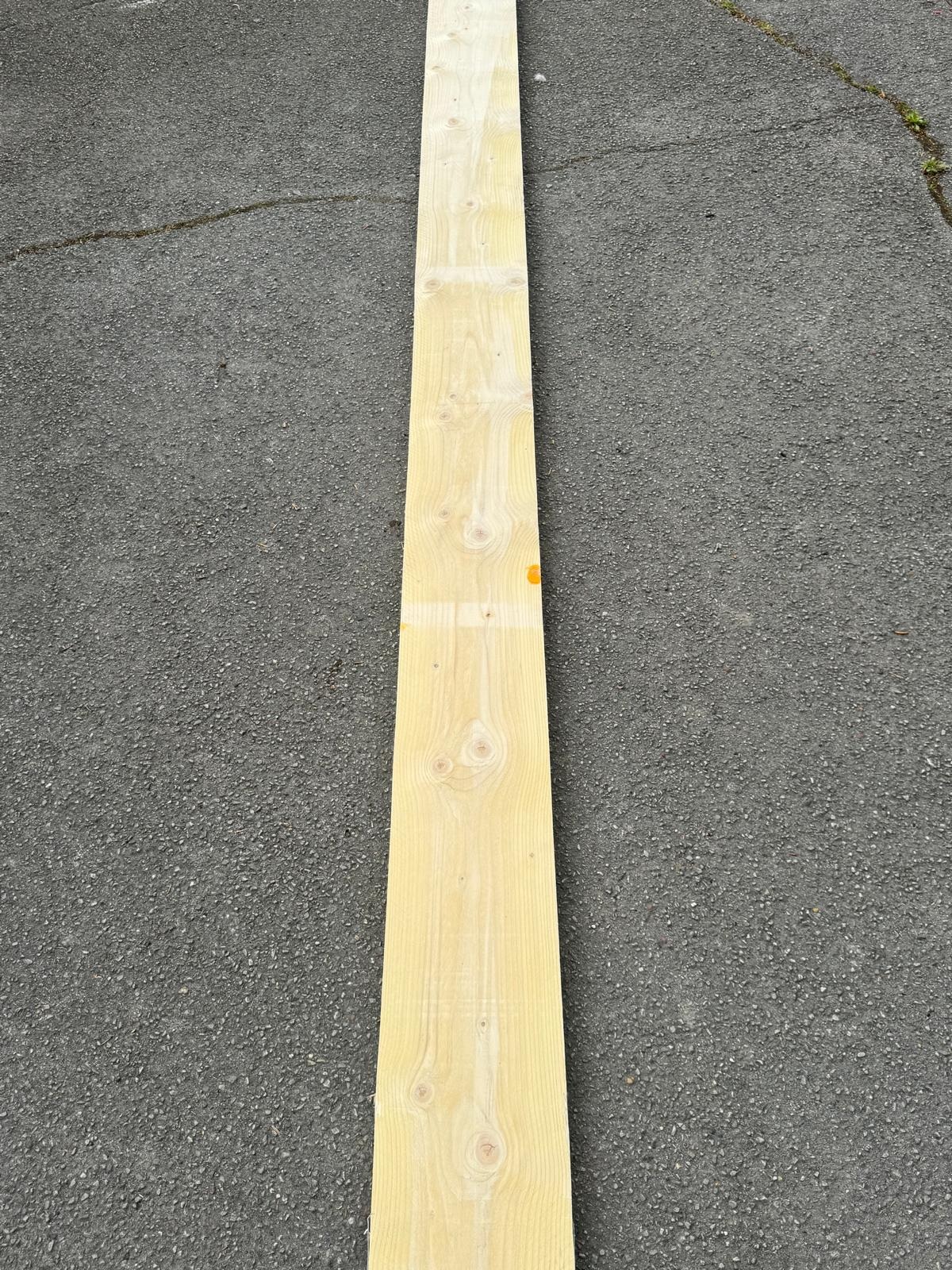
Shop our premium new scaffold boards – fresh-sawn, untreated European whitewood (225mm × 38mm), fully compliant with BS 2482:2009 (current British Standard).
These metal-banded, graded boards deliver reliable performance for professional scaffolding and versatile DIY projects, supporting safe loads up to 75 lbs per sq ft at recommended spans.
Trusted by UK scaffolders, builders, and DIYers – available in popular 8ft, 10ft & 13ft lengths, sustainably sourced and ready to ship.
Looking for alternatives?
Not sure if new scaffold boards are the right fit? We also offer more affordable, budget-friendly rustic reclaimed scaffold boards for that authentic weathered look, plus unbanded scaffolding planks with the metal end bands removed, ideal for DIY indoor/outdoor furniture, shelving, and garden projects.
New scaffold board dimensions
Length | Metric Equivalent | Width | Thickness | Approx. Weight | Typical Use Cases | Availability Notes |
8ft | 2.4m | 225mm | 36–38mm | 12.3 kg | Most popular – general scaffolding, tables, benches, medium DIY projects | High stock – always available |
10ft | 3.0m | 225mm | 36–38mm | 15.4 kg | Medium spans, longer platforms, large benches, and decking sections | High stock – always available |
13ft | 3.9m | 225mm | 36–38mm | 19–20 kg | Longest spans, full platforms, big garden projects, heavy-duty uses | High stock – most requested |
Brand new scaffold boards information
New vs reclaimed scaffolding boards comparison table
Feature | New Scaffold Boards | Reclaimed Scaffold Boards |
Condition | Fresh-sawn, untreated, unsanded, clean & uniform | Used/previously in scaffolding; rustic, weathered, with authentic marks (notches, paint, splits, cement, slight imperfections); inspected for stability |
Appearance | Clean, natural timber look; consistent grain & colour | Distressed, aged, characterful rustic/industrial look; each board is unique |
Weight (approx., per length) | Slightly heavier (e.g., 8ft – 12.3kg, 10ft – 15.4kg, 13ft – 18–20kg) | Slightly lighter due to seasoning/drying (e.g., 8ft ~11.5–12.5kg, 10ft ~14.5–15.5kg, 13ft ~18.5–20kg) |
Price | Higher (e.g., starting £12.72 ex. VAT discounted) | Much more affordable (e.g., £5.50–£16.50 ex. VAT depending on length) |
Durability & Strength | Guaranteed full strength & compliance for load-bearing (75 lbs/sq ft max, up to 1.2–1.5m spans); metal end bands prevent splitting | Proven robust from real-world use; sturdy for non-critical loads; may have minor wear, but long-lasting with care. |
Lifespan | 5–10 years outdoors with treatment; prone to rotting/splitting without maintenance | Often comparable or longer with proper sealing; already weathered, so more stable against further movement |
Preparation Needed | Minimal for basic use; sanding + treatment recommended for outdoor/DIY finish | More work: inspect for damage, clean, sand, seal/varnish; may need to discard imperfect ones |
Sustainability | Sustainably sourced new timber; eco-friendly harvesting | Highly sustainable: repurposed, reduces waste/deforestation, lowers carbon footprint, promotes circular economy |
Best For | Professional scaffolding (safety-critical load-bearing); modern/clean DIY projects; consistent look (e.g., uniform furniture, precise builds) | Rustic/character projects; budget-conscious DIY; garden features, vintage furniture, eco-builds; where imperfections add charm |
Pros | Uniform quality, reliable for heavy/pro use, metal bands for safety, easier to treat/finish | Cheaper, unique rustic aesthetic, more eco-friendly, often lighter, proven toughness |
Cons | More expensive, no built-in character, requires treatment for outdoors | Variable condition/imperfections, more prep time, not ideal for strict safety-critical scaffolding |
Quick recommendation guide
- Choose New if you need: Guaranteed compliance for active scaffolding platforms, a clean/modern finish, or consistency across multiple boards (e.g., professional work, sleek indoor furniture). Ideal for trade users or anyone prioritising predictability and full strength.
- Choose Reclaimed if you want: That authentic weathered look, maximum value/savings, and the greenest option (great for garden DIY, rustic tables/benches, and feature walls). Perfect for creative homeowners, eco-conscious builders, or projects where character is perfection.
Both are excellent, durable choices, the “right” one depends on your project vibe and priorities. Many pros use new timber for job-site safety and reclaimed wood for creative/landscaping work.
Pro tip: For any outdoor use (decking, raised beds, etc.), treat both with stain, Danish oil, or varnish to boost water resistance and lifespan. Constantly scrutinise timber boards and consult a pro for load-bearing applications.
What is a new scaffold board?
Scaffolding boards are long, robust pieces of wood essential for creating safe, stable working platforms on scaffolding structures. When properly placed on scaffolding tubes, these boards provide a secure surface for both tradespeople and DIY enthusiasts to work safely at elevated heights and support their equipment.
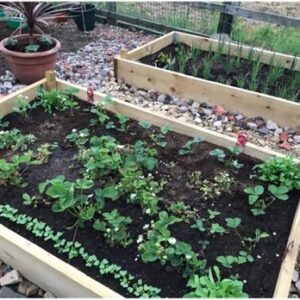
Beyond their crucial role in scaffolding, these versatile timber planks are also a highly popular choice for a wide array of DIY home and garden projects, including building durable raised garden beds, stylish decked areas, sturdy fencing, custom shelving, rustic furniture, charming garden tables and benches, unique featured walls, or even sheds.
New timber scaffold board specifications
Specification | Details |
Material | Sustainably sourced European whitewood (softwood timber) – eco-friendly and robust for heavy-duty use. |
Dimensions | Width: 225 mm (standard 9-inch equivalent) • Thickness: 36–38 mm (nominal ~38 mm) • Lengths available: 8ft (2.4m), 10ft (3.0m), 13ft (3.9m). |
Grading & Standards Compliance | Fully compliant with BS 2482:2009 (British Standard for timber scaffold boards) • Metal end bands display: grade (visual or machine), support span, British Standard code, manufacturer/supplier ID. |
Grading Types | Visually graded or machine strength graded (as indicated on end bands) • For 38 mm thick boards: suitable for 1.2 m max support centres (visual/machine) or up to 1.5 m (machine graded only). |
Load Capacity (Scaffolding Use) | Maximum safe working load: 75 lbs (34 kg) per square foot when used as a working platform • Designed to meet BS EN 12811 scaffold platform loadings when properly supported. |
Maximum Support Span | Up to 1.2 m centres (standard for most visual/machine graded 38 mm boards) • Up to 1.5 m centres possible with machine strength graded boards only • Always consult a professional; tolerance of +100 mm allowed on span setup. |
Treatment & Condition | Untreated, unsanded, and unseasoned (not kiln-dried) • Metal banded at ends to prevent splitting and reinforce for safety/compliance. |
Moisture Content | Measured at typical service levels (20–27% as per standards); not pre-dried, so natural movement may occur with weather changes. |
Lifespan (with Proper Care) | 5–10 years typical (outdoor exposure) • Significantly extended with treatment (stain/oil/varnish); untreated boards in constant wet-dry cycles may degrade (rot/splitting) in a few years. |
Weight Range (Approximate) | 12.3 kg (8ft) to 19–20 kg (13ft) – varies slightly with moisture/timber density. |
Safety & Usage Warnings | Professional consultation required for load/span calculations • Not inherently water-resistant – treat for outdoor/long-term use • Avoid exceeding spans or loads; rough handling can cause end splitting. |
Additional Features | Metal end bands are essential for safety, compliance, and longevity • Boards are reusable, cost-effective, and versatile for scaffolding, DIY, furniture, decking, etc. • Can be cut, shaped, sanded, or glued. |
All boards are visually/mechanically graded per BS 2482. For spans up to 1.5m, higher-grade machine-graded boards may be required (contact us).
How much does a new scaffolding board weigh?
The weight of a scaffold board is as follows:
- 5ft weighs approximately 7.7kg.
- 6ft weighs approximately 9.2kg.
- 8ft weighs approximately 12.3kg.
- 10ft weighs approximately 15.4kg.
- 13ft weighs approximately 19-20kg.
Please note these weights are just guides.
What other uses do new scaffolding boards have?
Scaffolding boards are perfect for all sorts of projects:
- Outdoor: Fencing, gates, sheds, ramps, decking, picnic tables, raised beds, and planters.
- Indoor: Furniture, shelving, flooring, tabletops, worktops, cupboards, wardrobes, and a living room feature wall.
Are brand new scaffold boards water-resistant?
Even though scaffolding boards are built for outdoor use, it’s a good idea to stain them if you’re using them for projects like fencing, furniture, or decking; this will ensure they are fully water-resistant and protected from the elements.
Why would timber scaffold boards split?
Repeated cycles of wet and dry weather, along with rough handling, can cause the ends of boards to split.
What oil is recommended for new boards?
Many of our customers prefer Danish oil because it soaks into the wood better than wax or varnish, providing a deeper and more protective finish.
What is the maximum load a timber scaffold board can support?
When these boards are used as working platforms on scaffold structures, each of our boards can safely support a maximum weight of 75 lbs (34 kg) per square foot, provided the support span does not exceed 1.2 meters; however, a professional should be consulted to ensure maximum weight limits are not exceeded.
What's the function of the metal bands on brand new scaffold boards?
Metal end bands are crucial for timber scaffolding boards, reinforcing their ends to prevent damage and splitting and extending their lifespan. Beyond protection, these bands are also vital for safety and compliance. They display essential information such as British Standard codes, manufacturing details, supplier identification, grading methods (e.g., visually or mechanically graded), and recommended support spans.
How long do new scaffold boards typically last outside?
The lifespan of a standard timber scaffold board typically ranges from 5 to 10 years, though this is significantly influenced by environmental exposure. For optimal longevity, you should ensure proper maintenance and treatment with oils, varnish, or stain. Boards that are left untreated and constantly exposed to the elements, however, may show signs of degradation, such as rot and damage, within just a few years.
Are new scaffold boards suitable for decking?
Timber scaffolding boards are an excellent choice for building a decked area in your garden. They can be easily cut to any shape or size you need, and with proper treatment and care, they often last longer than standard decking boards.
Are brand new scaffolding boards seasoned?
No, they aren’t seasoned or kiln-dried before use.
Can new scaffolding boards be glued together?
Yes, they can be glued with wood glue. Just apply glue to the edges of the boards you wish to join, set the boards in place, and use clamps to hold them together until the glue is completely dry.
What's the best way to smooth a new timber board?
To achieve a smooth finish on a wooden scaffolding board, a progressive sanding process is key.
You can start with an 80-grit sandpaper to effectively remove any major imperfections or rough spots. Then, gradually move to finer grits (120-220) to refine the surface and achieve the desired smoothness. Finish up with light hand-sanding for that extra touch.
Once smoothed, it’s highly recommended to apply a timber sealant, oil, or varnish. This will not only protect the wood and enhance its durability but also bring out its natural beauty. The best finish choice depends on the look you’re aiming for and how the board will be used.
What benefits do brand new scaffolding boards offer?
Timber boards are incredibly versatile and offer significant advantages for both construction and DIY projects:
Strength & Durability: Engineered for robustness, our wooden scaffold boards can handle heavy loads and challenging site conditions, providing a dependable support structure. Made from durable European whitewood, they ensure an extended lifespan and reusability across many projects.
Versatility: These timber boards are remarkably adaptable for a wide range of uses, from construction platforms and staging to furniture-making, decking, and other applications. They can be tailored to any project need.
Cost-Effectiveness: New wooden scaffold boards offer excellent value due to their reusability. They provide a budget-friendly solution for temporary platforms and DIY structures, especially compared to other materials.
What are the best treatment options for new timber boards?
Recommended treatments & maintenance table
Treatment Type | Benefits | Best For | Application Tips |
None (as supplied) | Natural look, cost-free | Indoor/short-term use | Prone to splitting in wet-dry cycles |
Stain / Oil (e.g. Danish Oil) | Water resistance enhances grain | Outdoor decking, furniture | 2–3 coats, reapply yearly |
Varnish / Sealant | Maximum protection, smooth finish | High-exposure areas | Sand first (80→220 grit), multiple coats |
None + Sanding | Smoother surface for furniture/DIY | Indoor projects | Start 80-grit, finish 220-grit |
What are the key compliance details from BS 2482:2009 for timber scaffold boards?
Our new scaffold boards fully comply with BS 2482:2009.
Aspect | BS 2482:2009 Requirement |
Standard Title & Date | Specification for timber scaffold boards – published 30 June 2009 (current). |
Board Thicknesses | 38 mm (±2 mm) or 63 mm (±3 mm) – our boards are the standard 38 mm (listed as 36–38 mm nominal). |
Width | 225 mm (±5 mm). |
Maximum Support Spans (38 mm thick) | • 1.2 m centres → visual or machine graded • 1.5 m centres → machine strength graded only. |
Span Tolerance | +100 mm allowed when setting supports. |
Load Capacity | Designed to meet BS EN 12811-1 Practical safe load: 75 lbs (34 kg) per square foot at ≤1.2 m centres. |
Grading Methods | Visual grading or Machine strength grading (required for 1.5 m spans on 38 mm boards). |
End Protection | Mandatory metal end bands (zinc-coated steel ≥0.6 mm thick) – present on all your boards. |
Marking on End Bands | Must show: BS 2482:2009 • Supplier ID • Grading (V/M) • Support span (e.g., “support 1.2 m”). |
Timber Quality | Strict limits on knots, fissures, slope of grain, etc. |
Moisture & Measurement | Tested at ~20% moisture; natural movement expected. |
Q & A
 New Scaffold Boards - European Whitewood 225mm x 38mm Various Sizes




Reviews
There are no reviews yet