


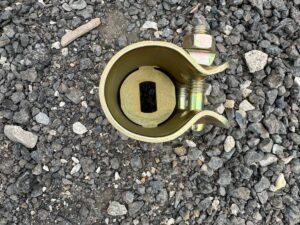


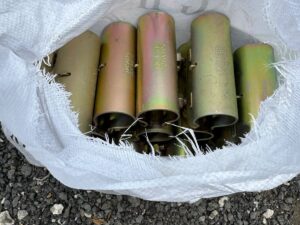


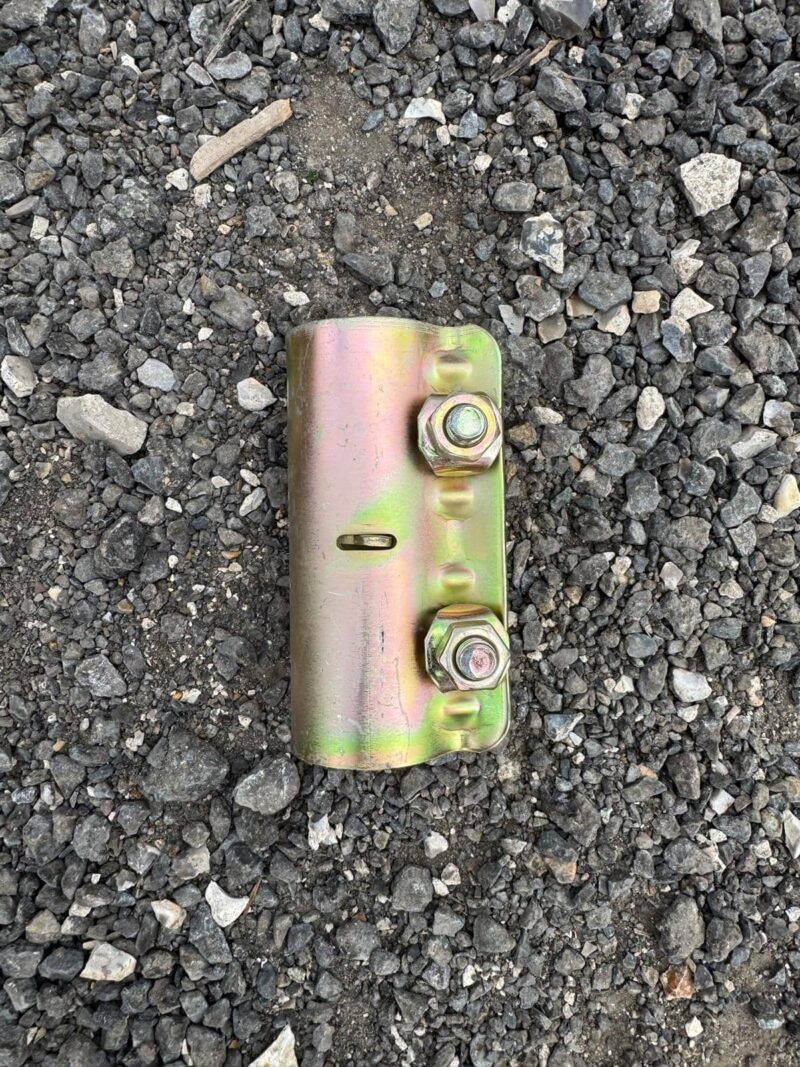

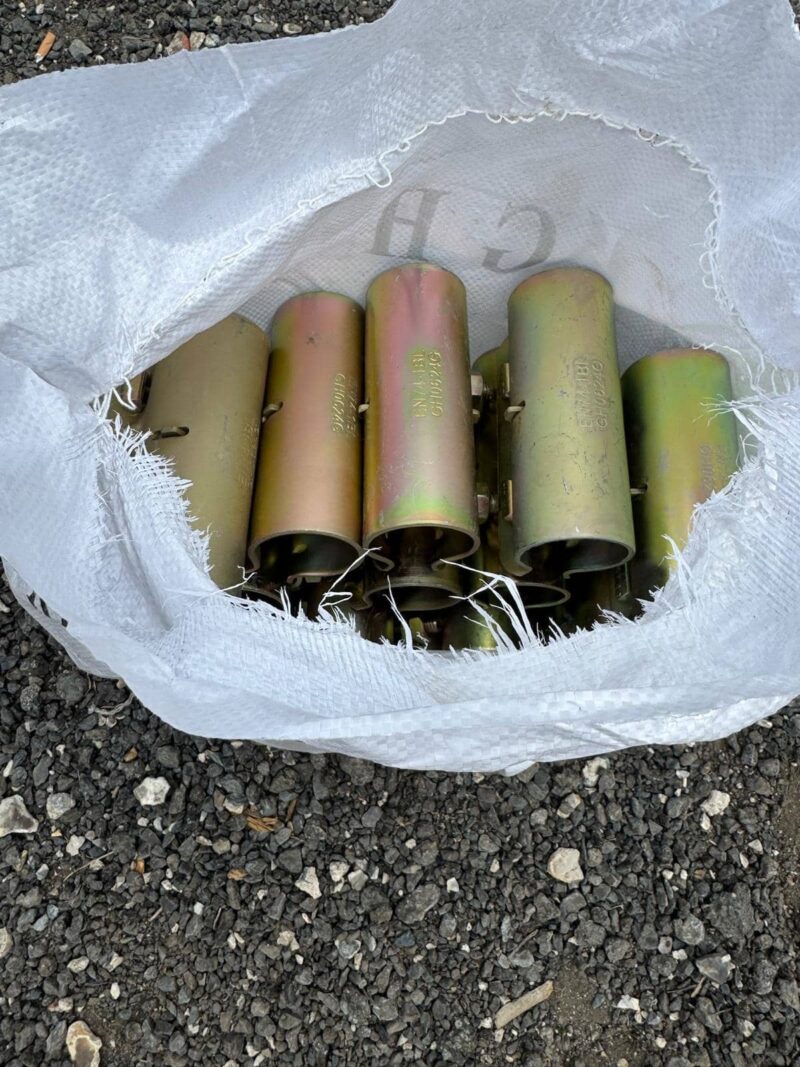


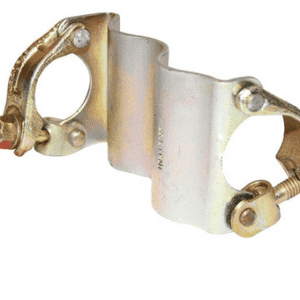
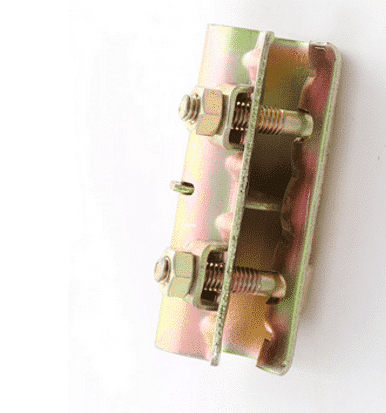
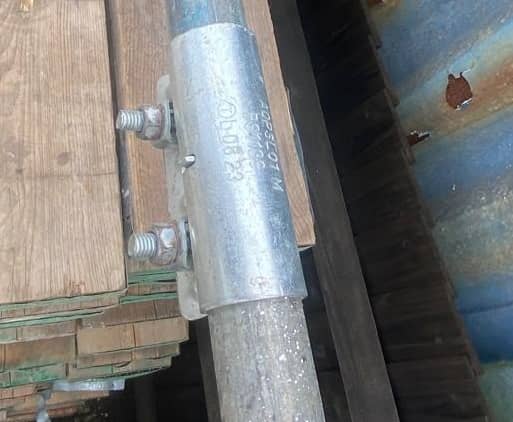
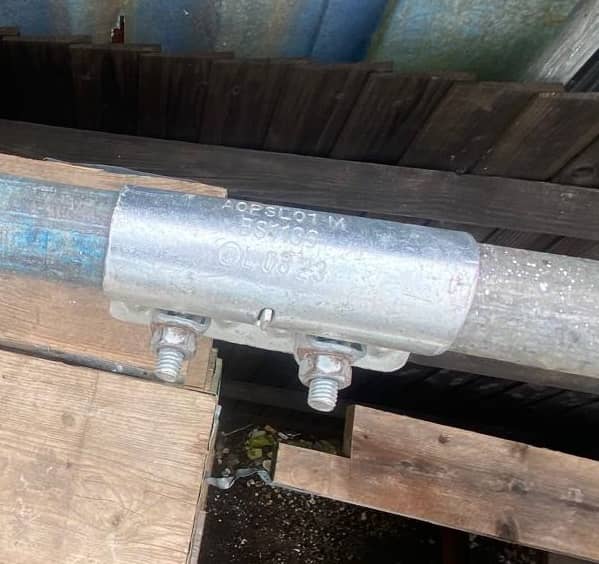
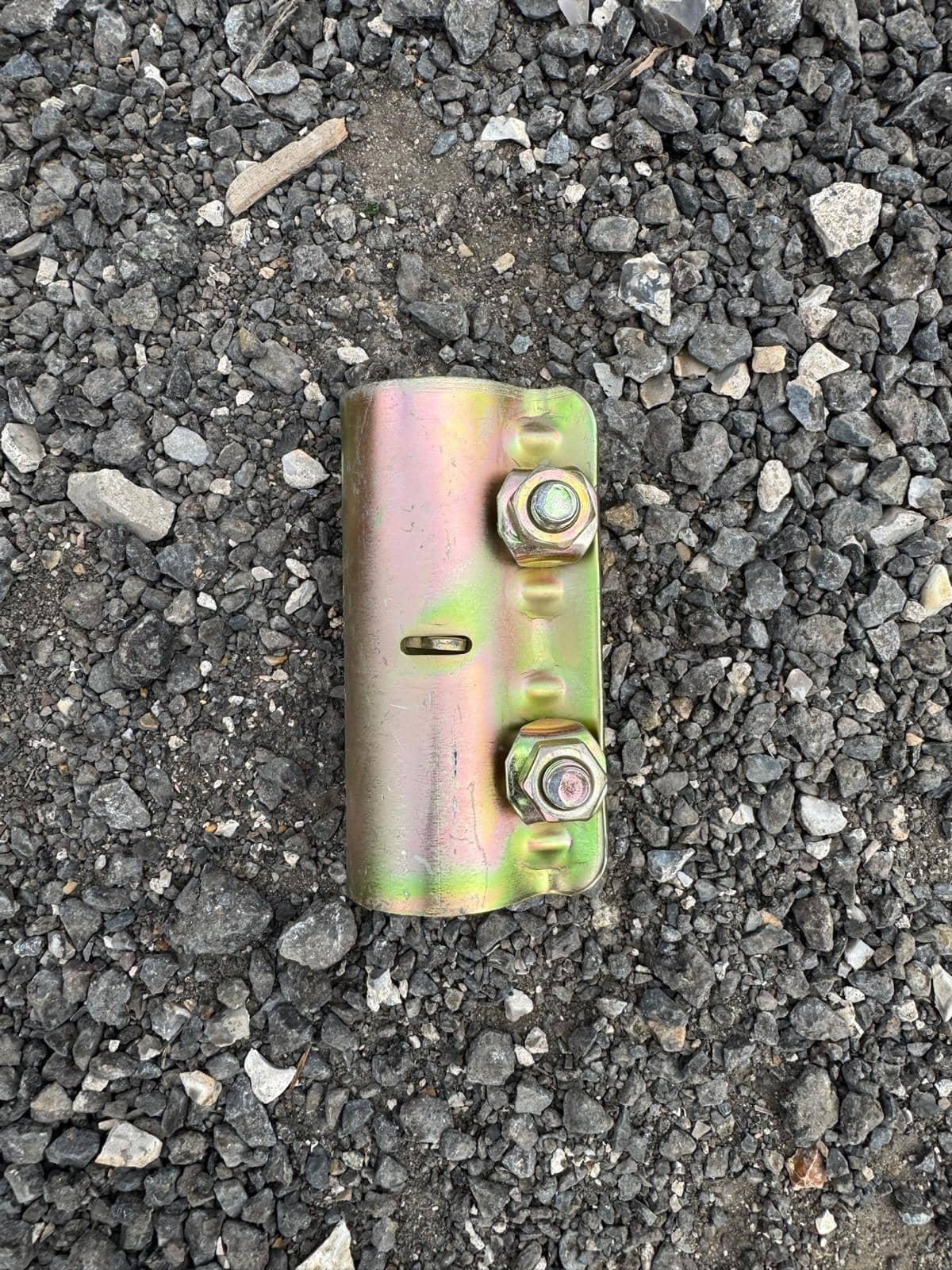
Our sleeve couplers are designed to securely join 48.3mm galvanised scaffold poles end-to-end and work perfectly with our full range of scaffold clamps to increase the height or length of scaffold structures. Simply tighten the bolts with a good scaffolding spanner for a strong, reliable connection every time.
These robust external couplers provide excellent strength for extending vertical standards, horizontal ledgers, and guardrails in both temporary and permanent scaffolding setups. Ideal for height extensions, longer spans, event staging, lighting rigs, and safety barrier systems, they deliver the professional performance that scaffolders across the UK trust.
Key Features and Benefits
Sleeve couplers offer distinct advantages for scaffold builders who need dependable tube extensions:
- Full Compression Strength – Matches the load-bearing capacity of scaffold tubes, outperforming internal joint pins in many structural applications
- Superior Corrosion Protection – Fully galvanised with a thick zinc coating for excellent weather resistance and long service life
- Simple, Fast Installation – External design with two bolt fixings; easily tightened using a standard scaffolding spanner
- Wide Material Compatibility – Works effectively with both 48.3mm steel and aluminium scaffold tubes
- Proven Safety Performance – Conforms to EN74-1 Class B standard with tested slip resistance of 5.50 kN
- Load Distribution Design – Encourages staggered joint placement across bays for improved overall framework stability
- Outstanding Value – Professional-grade quality at a competitive price point, minimising replacement costs
These characteristics make sleeve couplers the preferred choice for straight-line tube extension requiring maximum strength.
Technical Specifications
| Specification | Details |
|---|---|
| Tube Size Compatibility | 48.3mm diameter (steel & aluminium) |
| Material | Pressed galvanised steel |
| Finish | Hot-dip zinc coating |
| Weight | Approx. 1.1 kg |
| Standard | EN74-1 Class B |
| Slip Resistance | 5.50 kN |
| Fixing Method | Two bolt fasteners |
| Condition | Brand new |
Frequently Asked Questions
What are the most common uses for sleeve couplers?
Application | Typical Use Case | Key Advantage |
Vertical Standard Extension | Increasing height of upright scaffold legs/standards | Maintains full compression capacity for taller builds |
Horizontal Ledger Extension | Creating longer platforms, spans, and working levels | Enables wider, more stable areas without weak joints |
Guardrail & Handrail Systems | Extending safety rails and fall protection barriers | Ensures continuous, secure protection at height |
Temporary Event Structures | Building lighting rigs, staging, and exhibition setups | Quick, reliable connections for load-bearing events |
Mixed-Material Projects | Joining steel and aluminium tubes end-to-end | Adds flexibility for lightweight or hybrid scaffolds |
What is a scaffold sleeve coupler?
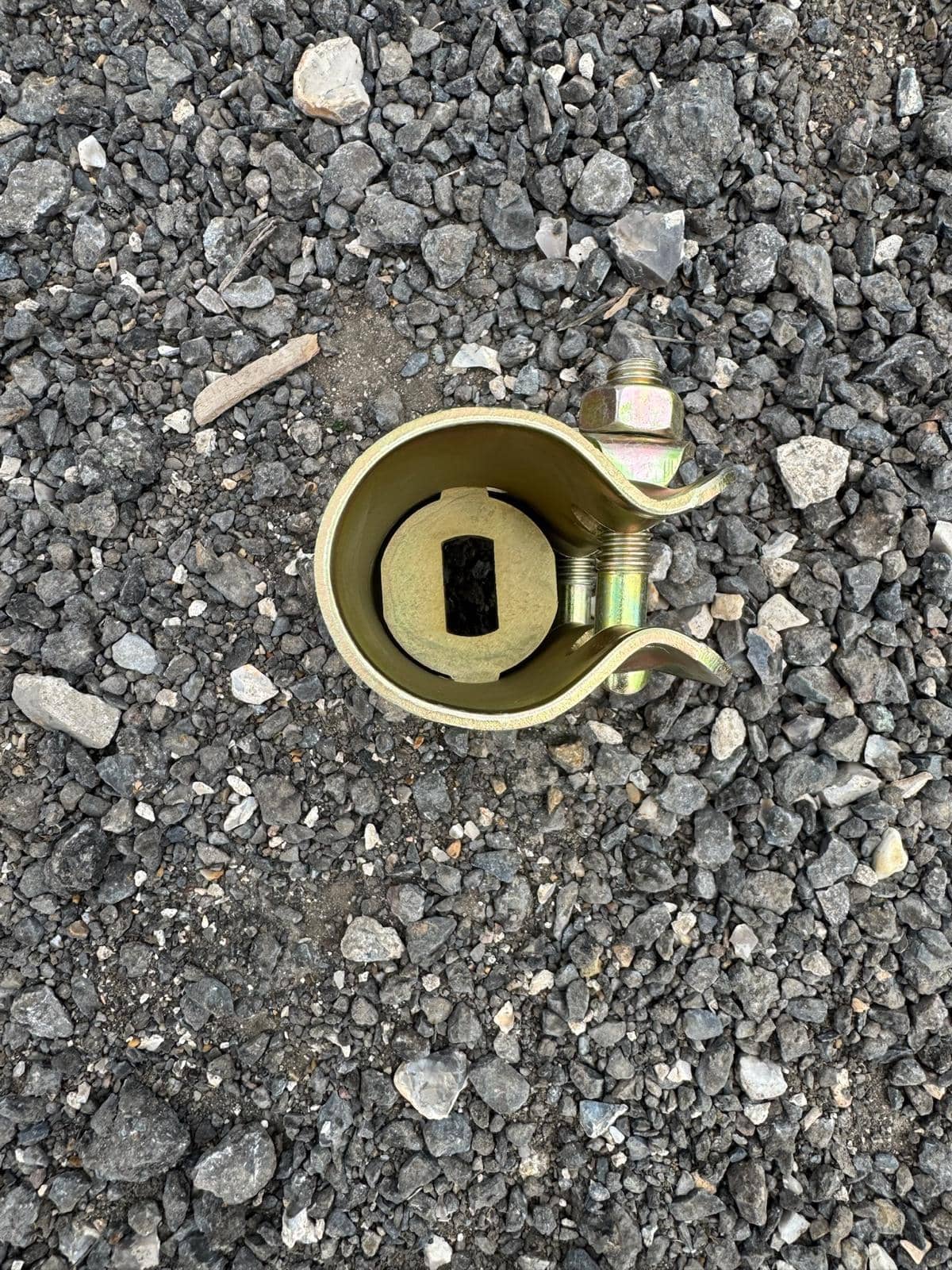
A sleeve coupler is a pressed-steel fitting used to join two scaffold tubes end-to-end, providing stability and safety when extending scaffolding.
What is the difference between a sleeve and a joint pin in scaffolding
This item is also known as a pressed sleeve, sleeve clamp, scaffolding sleeve, or sleeve. The key difference between a sleeve coupler and an expandable internal joint pin is that the sleeve is fixed on the outside of the tubes and is load-bearing, whereas the joint pin is inserted into the tubes and cannot withstand heavy loads.
What is the primary purpose of this coupler?
It securely connects two scaffold tubes end-to-end externally, allowing safe, strong extension of standards, ledgers, or guardrails when single-tube lengths are insufficient.
How does a sleeve coupler compare to a double coupler or swivel coupler?
Sleeve couplers are for straight, in-line connections only. Double couplers join tubes at 90° angles, while swivel couplers allow adjustable angles. Sleeve couplers excel specifically at extending length.
Are they safe for load-bearing applications?
Yes – they meet EN74-1 Class B requirements and have been tested to provide 5.50 kN slip resistance, making them suitable for structural scaffolding use.
Can I use these with aluminium scaffold tubes?
Yes, they are fully compatible with standard 48.3mm aluminium tubes as well as steel, giving you more options for lightweight or mixed-material scaffolds.
How are they installed?
Align the two tube ends, slide the coupler over the joint, and tighten both bolts firmly with a spanner. Always stagger joints between adjacent bays for the best load distribution.
What size nuts are used on this scaffolding fitting?
The sleeve coupler uses 7/16-inch hex nuts.
How are they tightened?
A standard scaffolding spanner is used to tighten or loosen sleeve couplers.
What is pressed steel?
Pressed steel refers to the process of forming metal sheets into various shapes and parts using a mechanical or hydraulic press.
Are these sleeve couplers suitable for high-rise or heavy-duty scaffolding?
Yes, with an EN74-1 Class B rating and strong compression performance, they are reliable for tall vertical extensions, long spans, and load-bearing setups in construction, industrial, or event projects. Always ensure joints are appropriately staggered across bays and follow your scaffold design and load plan.
Video
Q & A




Reviews
There are no reviews yet