Fast Delivery - Checkout for Costs

Please Call 1st for Collections

Order Easily Online – 200+ Products

Bulk Discounts – Trade Prices

COLLECTIONS – Call to check availability

Open 8:00 – 17:00 • Mon-Fri (Excluding bank holidays)

Go to Checkout to Get Your Delivery Cost

Our Latest Reviews

Scaffold Tube and Fittings

Price range: £2.30 through £30.45 ex. VAT

Go to checkout to get your delivery cost.

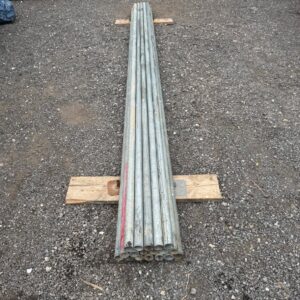
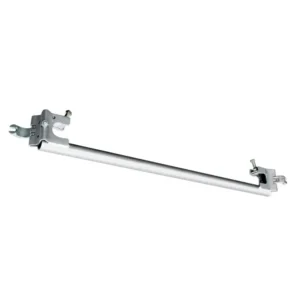
Please use the dropdown menu to select the tube length and types of fittings. An image of the chosen product will appear.

We Accept Secure Payments

Fast, safe checkout via:

Visa Mastercard PayPal Secure

Protected by industry-standard SSL encryption.

🚚 Fast Delivery (2-7 working days)
Click & Collect Available
🇬🇧📍 Based in Aldingbourne, West Sussex
★★★★★ 5.0 Google Reviews

We supply a complete range of scaffold tubes and fittings, allowing you to source all the components you need for a tube-and-fitting scaffold from a single, convenient location.

Our tubes are manufactured from robust galvanised steel with a 48.3 mm diameter and 3.2 mm wall thickness, providing long-lasting durability and excellent corrosion resistance, making them ideal for construction, maintenance, and renovation work at height.

Alongside our scaffold tubes, we stock a comprehensive range of fittings, clamps, couplers, and accessories, allowing you to build safe scaffolding structures with greater flexibility than modular systems, making them perfect for intricate setups and tailored access solutions.

How is each scaffold tube length used within a scaffolding structure?

5ft (1.5m) – A 5-ft tube is often installed as a transom board support, fastening to the ledgers with putlog couplers, allowing scaffold boards to be placed on it.

6ft (1.8m) – A 6ft tube is also commonly used as a transom to support scaffold boards across a bay, especially when a wider working platform is needed.

8ft (2.4m) – In scaffolding, an 8ft tube is primarily used for diagonal bracing at 35- to 55-degree angles on every other set of upright standards, providing key structural stability.

10ft (3.0m) – This length tube serves predominantly as sway braces, being attached to the front bay of scaffolds with swivel couplers to reinforce the structure and minimise lateral movement.

13ft (3.9m) – Scaffolding tubes of this length are typically employed to extend the overall height of a scaffold (toppers); they are joined vertically using sleeves or joint pins. Additionally, they can serve as horizontal supports, upright legs, or even handrails.

16ft (4.8m) – In many scaffolding setups, 16-foot tubes serve as the pieces that span horizontally (ledgers) as well as vertical legs, toppers and handrails.

21ft (6.4m) – 21ft tubes are the longest available and are highly versatile. They typically serve as standards (upright supports for scaffolds), ledgers (horizontal runners for rigidity), handrails (continuous edge protection), and rakers (diagonal braces for added stability on taller structures). Although they serve many other purposes, these are their primary uses.

Scaffold fitting names & uses with images

To build scaffolding structures, scaffold fittings and clamps are used to connect galvanised steel tubes, which create safe working platforms for users at height. They play a vital role in ensuring the scaffolding is secure and stable. There are many different types available, all designed for specific applications, which we have detailed below.

Single couplers

Also known as putlog couplers, singles, wrapovers, or clips, they typically connect transom tubes or putlogs to horizontal ledger tubes. They also secure toeboards to upright tubes to prevent materials and tools from being knocked over the edge of the platform. Finally, they are commonly used to fix the stop-end handrails in place. Please note that single couplers are not load-bearing fittings.

Double couplers

They typically attach horizontal ledger tubes and handrail tubes at a 90-degree angle to vertical upright tubes (legs). They are also known as doubles, 90-degree fittings, or couplers. This is a load-bearing fitting.


Swivel couplers

These are also called swivel clamps, rotating couplers, universal couplers, and flexible couplers. This load-bearing coupler typically attaches diagonal bracing and sway braces at 360 ° angles to a scaffolding structure.


Sleeve couplers

This fitting is usually the preferred choice for connecting the ends of 2 scaffolding tubes either vertically or horizontally. It is adjustable and can attach to tubes of various lengths. They can also be known as sleeves.


Expandable joint pin

This fitting can also be known as an expanding joint pin, spigot or joiner. They are designed to connect scaffold tubes securely and are placed inside two tubes’ ends. By tightening the centre bolt, the expanding grips on the inside create a secure connection for joining scaffold tubes end to end internally.

Base Plates

This solid flat metal plate is used to provide stability and help spread the load of a scaffolding structure. Upright standard tubes (legs) slide over the spigot in the middle of the plate. This item can also be known as a sole plate or foot plate.

Putlog head adaptors

Also known as a spade end and a putlog head, it is a steel fitting used to convert a standard scaffold tube into a putlog tube, which supports a working platform, with the putlog inserted into brickwork or concrete.

Gravlock girder clamps

Girder clamps are fittings commonly used in pairs, fixed to steel beams. They are generally required when connecting scaffolding tubes to steel beams to create handrail edge protection for newly constructed steel-frame warehouses, factories, etc. They can also be known as SK fittings, beam clamps or girders.

Board retaining clips

This fitting can also be called a board clamp or BRC clamp. They are used to securely fasten scaffold boards to the transom tubes, creating a safe working platform by preventing the boards from moving.

Roofing couplers

This coupler connects scaffold tubes to corrugated iron sheets when building a temporary roof structure. Two roofing couplers should be used for every CI sheet. The wavy section of the coupler sits on the corrugated section of the sheet at either end, and scaffold tubes are passed under and over the sheeting. They are also known as wrigley fittings or waffle clamps.

Tredda plates

A tredda plate is used as a safety device to prevent tripping hazards; it is a high-visibility plate placed on solid ground, with steel base plates placed on top to protect passers-by. They are also called hi-vis base plate covers or scaffold base plate covers.

Tube to prop double couplers

This connector, also known as a prop double coupler or prop double fitting, connects scaffold tubes at a 90-degree angle to adjustable steel acrow props to help brace and stabilise the acrows.

Tube to prop swivel

This fitting allows you to connect a scaffold tube to a steel acrow prop at any angle. They are also known as prop swivel couplers, prop swivel fittings, and prop bracing swivels.

Tube to hoarding coupler:

Also known as a hoarding coupler or a hoarding-to-scaffold clamp. This fitting connects hoarding panels to scaffold tubes, offering stability and security to hoarding perimeters.


Oyster couplers

This fitting connects putlogs or transom tubes to ledger tubes to support scaffold boards when a flush finish on a scaffold platform is required. However, they are not load-bearing. It is also known as a flush fitting or non-load-bearing coupler. 

 By understanding the various scaffolding fittings and their specific functions, you can ensure the safety and efficiency of your construction project. If you have any questions or need further assistance, don’t hesitate to consult with our scaffolding experts.

Reviews

There are no reviews yet

Be the first to review

Your email address will not be published. Required fields are marked *

Q & A

Ask a question
Scaffold Tube and Fittings Scaffold Tube and Fittings
Your question
* Question is required
Name
* Name is required
There are no questions yet
Related Products