


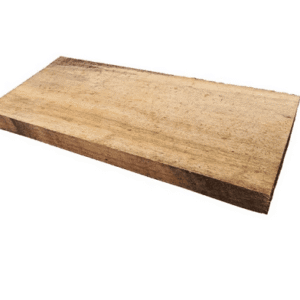
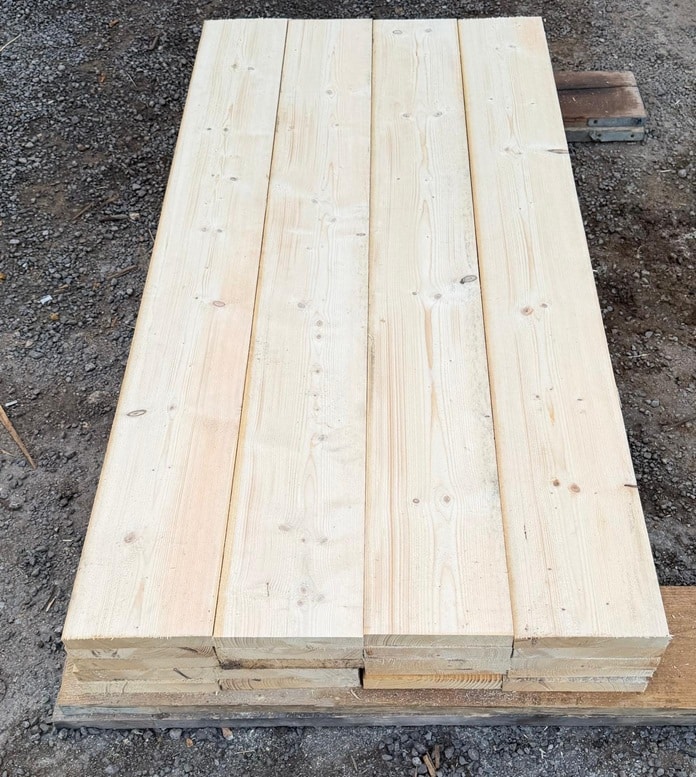
Shop our unbanded scaffold boards UK – fresh-sawn, untreated European softwood planks (225mm wide × 38mm thick) with a smooth, natural finish and no metal end bands.
Visually inspected and Grade A-rated, these versatile boards are ideal for creative DIY projects, garden projects, furniture, decking, and more; however, they should be treated for outdoor use.
Shop 3ft, 4ft, 5ft, 6ft, 7ft, 8ft, 9ft, 10ft, 11ft and 12ft lengths – sustainably sourced with fast delivery.
Banded vs unbanded comparison table
Feature | Unbanded Scaffold Boards | Banded Scaffold Boards (Standard) |
End Protection | None (natural ends) | Metal bands prevent splitting & wear |
Primary Use | DIY, furniture, garden beds, decking, interiors | Professional scaffolding & heavy-duty platforms |
Compliance | Visually Grade A-rated (non-load certified) | Fully compliant with BS 2482:2009 |
Dimensions | ~225mm × 38mm | Typically 225mm × 36–38mm |
Best For | Creative, custom projects (sand/stain easily) | Safety-critical sites (marked span/load info) |
Outdoor Longevity | Requires treatment (oil/stain) | Better natural protection; still treat recommended |
Other board options
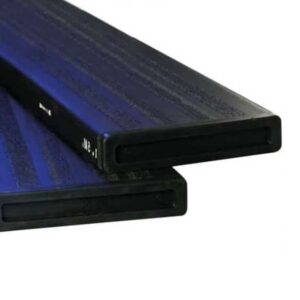
For professional scaffolding, choose our new banded scaffold boards, compliant with BS 2482:2009, or, for timber DIY projects, purchase our reclaimed scaffolding planks for a rustic, used look.
Unbanded scaffold board information
Features
Pristine look: These new unbanded boards feature a crisp, uniform appearance with minimal flaws, providing a perfect starting point for your designs.
Built to last: Crafted from dense, strong timber, they offer exceptional durability and a solid foundation for any project.
Your vision, your finish: Since they’re untreated, you have complete control to stain, paint, oil, or wax them, matching your exact aesthetic whilst protecting them for indoor or outdoor use.
Easy to work with: Being new timber, they’re generally easier to cut, sand, and handle than older, reclaimed options.
Smart savings: They’re often a more affordable choice than fully graded and banded scaffolding timber, making them great for larger DIY or commercial jobs.
What are unbanded scaffold boards?
Unbanded scaffolding boards are fresh-sawn, untreated timber planks delivered straight from the sawmill, offering a smooth, clean, natural wood appearance without the metal end bands found on standard scaffold boards. This makes them ideal for projects that prefer a raw, contemporary finish.
What are the dimensions of an unbanded scaffold board?
| Specification | Details |
|---|---|
| Width | Approximately 225mm |
| Thickness | Approximately 38mm |
| Comparison to Banded Boards | Slightly different from standard banded (225 mm × 36–38 mm) for added versatility in custom applications |
| Available Lengths | 3ft, 4ft, 5ft, 6ft, 7ft, 8ft, 9ft, 10ft, 11ft or 12ft |
| Key Benefit | Popular lengths ideal for a wide range of projects with minimal waste |
Can unbanded boards be used in the garden?
Yes – they are excellent for home and garden projects like raised beds, decking, pathways, planters, and seating. For outdoor use, apply a suitable treatment (such as exterior wood oil, stain, or preservative) to protect against moisture, UV, and weathering, significantly extending lifespan.
Which wood are unbanded scaffold boards made from?
They are freshly sawn from high-quality European softwood, typically spruce (also known as European whitewood) — a strong, sustainable species commonly used in UK timber products for its excellent strength-to-weight ratio and straight grain.
Can unbanded scaffold boards be used on scaffolding?
Our unbanded boards are visually inspected and Grade A-rated, so they can technically support scaffolding loads. However, for professional or heavy-duty scaffold structures, we strongly recommend our standard banded scaffold boards, which comply with BS 2482:2009, the current British Standard for timber scaffold boards. The metal banding provides essential protection against on-site end-splitting and wear.
What can unbanded boards be used for?
These versatile, natural-strength boards are perfect for creative and practical non-heavy-duty projects, including:
- Contemporary furniture (industrial-chic tables, benches, desks, shelving).
- Stylish interior features (wall cladding, headboards, storage).
- Garden structures (raised beds, decking, pathways, custom planters).
- Workshop items (sturdy workbenches, shelving, temporary platforms).
Their clean lines and untreated finish make them unbanded scaffold boards highly adaptable – sand, cut, stain, or seal them to suit your design.
How much do unbanded scaffold boards weigh?
Approximate weights vary by length and moisture content (fresh-sawn European softwood is denser when new):
- 2.4m (8ft): 10–12 kg
- 3.0m (10ft): 12–15 kg
- 3.9m (13ft): 16–19 kg
These are guides only – actual weight depends on timber density. Great for transport planning, but always lift longer boards safely with help.
How should I treat unbanded timber boards for outdoor use?
Since they’re untreated, apply a quality exterior wood treatment to protect against rot, UV fading, insects, and weathering. Recommended options:
| Treatment Type | Best For | Finish Appearance | Water Resistance | UV/Weather Protection | Reapplication Frequency | Pros | Cons | Application Notes |
|---|---|---|---|---|---|---|---|---|
| Danish Oil | Versatile indoor/outdoor, natural look | Satin/semi-gloss, enhances grain | Good | Moderate | Every 6–12 months | Easy to apply, quick dry, good penetration | Less durable outdoors than varnish, may need more coats | Wipe on, 2–3 coats; great for furniture/planters |
| Teak Oil | Outdoor garden furniture & hard/softwood | Matt/natural, subtle sheen | Good | Good (UV inhibitors) | Every 6–12 months | Excellent for weathering, maintains colour, popular for exterior | Slightly less water protection than Danish, it can darken wood | 2–3 coats; ideal for garden benches/tables |
| Exterior Wood Stain (semi-transparent) | Colour + protection, decking/raised beds | Coloured or tinted, grain visible | Very Good | Excellent (pigments block UV) | 1–3 years | Hides imperfections, strong UV/mildew resistance, easy maintenance | Can obscure natural grain if too opaque | Brush/roll, 1–2 coats; best for large surfaces |
| Exterior Varnish (e.g., spar/marine) | Maximum durability, high exposure | Gloss/satin, film-forming | Excellent | Very Good | 1–3 years | Hard protective layer, superior waterproofing | Can peel/crack over time, harder to repair | Brush multiple coats; suitable for heavy wear |
| Wood Preservative (e.g., Ronseal/Sadolin base) | Base layer for rot/insect protection | Clear or tinted | Moderate | Moderate | 1–5 years (as base) | Deep penetration against fungi/insects | Needs topcoat (oil/stain/varnish) for full weatherproofing | Apply first, then finish; essential for ground contact |
Recommendation guide for unbanded boards
- Natural look + easy maintenance: Start with Danish Oil or Teak Oil (most popular for scaffold board garden projects).
- Maximum longevity/UV protection: Use an exterior stain or preservative, then apply a varnish topcoat.
- Always: Test on a small piece first. Apply to clean, dry boards (sand lightly 80–120 grit). For raised beds/veg planters, choose non-toxic, low-VOC options and, if possible, avoid direct soil contact (line with plastic).
- Lifespan boost: With regular reapplication, treated boards can last 5–10+ years outdoors, vs. 2–5 years for untreated boards.
Do unbanded boards require any special maintenance or storage?
Store flat, off the ground, and covered to prevent warping or moisture damage. Allow air circulation between boards (use spacers). For indoor use, minimal maintenance—just dust/wipe. Outdoors, inspect yearly for splits or rot and re-treat as needed. Sand lightly (80–120 grit) before finishing for a smooth surface.
Are unbanded boards safe for load-bearing DIY projects (e.g., heavy shelving or benches)?
Yes, for non-critical, ground-level uses, they are strong Grade A-rated softwood with good load capacity when properly supported. However, they lack metal banding, so avoid unsupported spans over – 1m or heavy dynamic loads. Always over-support and consult a pro for anything structural. Not certified for professional scaffolding.
How do unbanded boards compare in price to banded ones?
Unbanded boards are more affordable as they skip metal banding and complete certification testing – great value for DIY/garden projects where banding isn’t needed.
Can I easily cut or modify unbanded boards?
Absolutely – they’re fresh-sawn and untreated, so easy to cut, shape, sand, or drill with standard tools. Use a sharp blade to avoid tear-out, and sand edges for a clean finish. Perfect for custom sizes in furniture or garden builds.
Are unbanded boards eco-friendly?
Yes, sourced from sustainable European softwood forests, with minimal processing (no chemicals/treatment). Using them for DIY reduces waste compared to buying purpose-cut timber. We prioritise responsibly sourced wood for lower environmental impact.
Q & A
 Unbanded Scaffold Boards - European Whitewood 225mm x 38mm Various Lengths



Reviews
There are no reviews yet